
Hi-Ho, Silver!
August, 2024
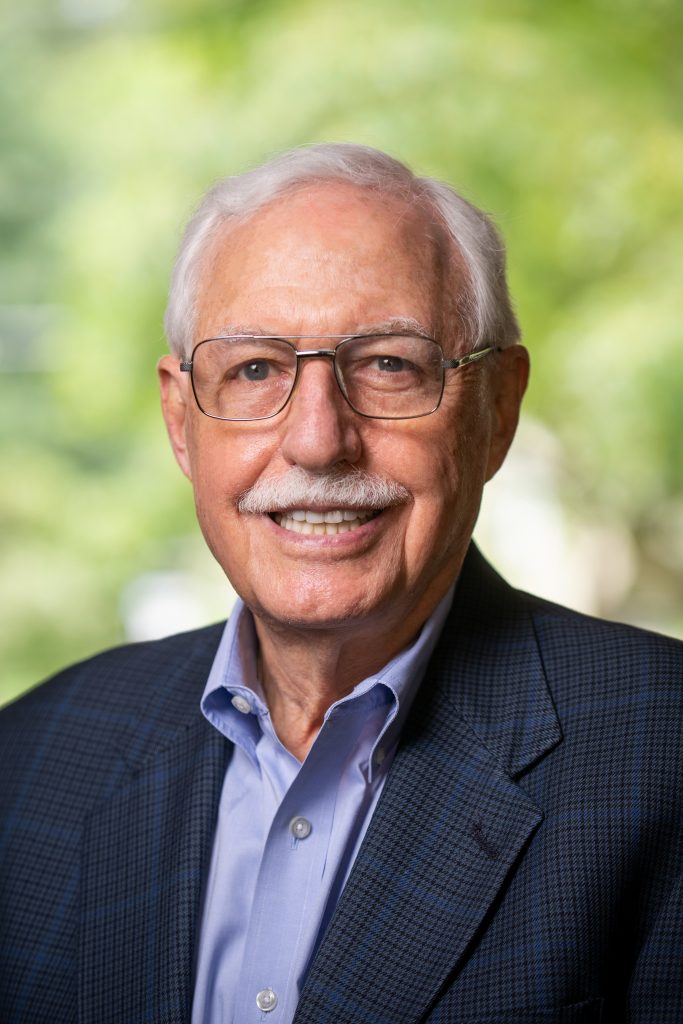
At some point this past spring, I realized this this post was going to be written on the occasion of the 25th – the silver – anniversary of my joining Tufts University and therefore of the founding of the Institute for Applied Research in Youth Development within the Eliot-Pearson Department of Child Study and Human Development. As soon as I made this connection, the title of this message immediately came to mind…
At the beginning and end of each 30 minutes episode of his 1950s television show, the Lone Ranger would rear up on his trusted horse, and call him to action with the phrase, Hi-ho, Silver!
My infatuation with The Lone Ranger television show is so long-lasting that, if given a word association test today, my response to silver would be the Lone Ranger’s horse. Not surprisingly, then, the immediate association I made to the idea of a silver celebration was the Lone Ranger and hence the title of this report. However, on reflection, I realized that this title was very apt for a 25th year discussion of the work of IARYD…
I grew up in the East New York section of Brooklyn from the late 1940s through the 1950s. My Mom, Dad, brother, and I lived in a small, three-room apartment on the third floor of a four-story walk-up on the corner of Willmohr Street and East 95th Street, just one block north of Church Avenue. During my childhood the famous Church Avenue Trolley Line was still running, and the pedestrians who tried to cross the avenue either to traverse it without undue delay or unharmed had to dodge the trolleys that were always passing in both east and west directions.
The plight of these Brooklynites resulted in them being labeled Trolley Dodgers and, when a professional baseball team was organized to represent Brooklyn in the major leagues, they took the name of Trolley Dodgers. Later the word trolley was dropped from the name of the team, and they became just the Brooklyn Dodgers – until, as was the case with many residents of the borough during this period – they decided to leave Brooklyn for greener pastures. They migrated (after the end of their 1957 baseball season) to Los Angeles.
During these years, my Dad worked as a salesman in his cousin’s radio and television store, which both sold new units and repaired old ones. We owned one television set but often had another one or two in the apartment that we sort of borrowed from the store after they had been repaired but before their owners were scheduled to pick them up. I spent a lot of days during these years absent from school because of severe seasonal allergies or asthma attacks that both the seasons and air quality issues elicited. I had a lot of time at home to watch television and, with more than one TV set on hand , I was often able to watch both baseball games (involving the Dodgers, the Giants, or the Yankees) and, as well, my other type of favorite program – westerns: for example, Gunsmoke, Maverick, Have Gun, Will Travel, Hopalong Cassidy, Roy Rogers, Davy Crockett, The Cisco Kid, and of course The Lone Ranger.
The TV viewing choices I made before I reached my 13th birthday have sort of imprinted me through the time of writing this report. If given a choice, I will still watch baseball games and the 1950s westerns that can be found on streaming services. Even when not given a choice I still negotiate for these viewing options.
But I digress. To paraphrase what the announcers on the westerns used to say after a commercial break, “And now back to our program.”
When the Lone Ranger said “Hi-ho, Silver!” at the beginning of each show, I knew that he would use his numerous cowboy skills to make the world better for the people of the Texas towns he served. And when he ended the episode with the words “Hi-ho, Silver! Away” I knew he was riding off to find another town, group of people, or situation that needed his skills to “put things right.” I was certain that he would work as hard and as effectively in next week’s episode as he had done in the show I had just watched.
Perhaps I was only channeling the mind of a pre-pubescent boy from Brooklyn living in the 1950s, but my immediate association between the silver anniversary of IARYD and the Lone Ranger’s calls to his horse each week seemed to me to be what I have been trying to do for the past quarter century at Tufts. I was trying to use my scholarly skills to put things right for the youth of Massachusetts, our nation, and the world.
Our Institute’s tag line – Discovering what goes right in the lives of youth – might be seen to be a version of the Lone Ranger’s call to action. As we have started each year at IARYD we see before us an opportunity to use our skills to discover the resources needed to put things right for the young people involved in our research or program evaluations. At the end of each academic year, I write this report to explain what we have accomplished towards this goal, and what we hope to do in our next episode – our next academic year – to set things right for the youth in the research and evaluation we will undertake.
We keep on trying because, just as the problems that the Lone Ranger tried to resolve seemed endless – there was always another episode coming (or so I believed at age 10) – our work needs to continue because there are more youth that need to be reached.
Notice, here, of course, that, in describing the commonality between the mission of the Lone Ranger and the mission of IARYD, I have moved from “I” to “we.” Even the Lone Ranger needed his faithful companion, Tonto, to collaborate with him in setting things right; but he was the Lone Ranger and he only needed one person to help him.
In truth, however, I have needed much more than one colleague to continue to work with me to identify what does or could go right in the lives of the diverse young people we have tried to serve through our scholarly skills. I have been blessed by having superb colleagues and students over the past quarter century. Nothing of value could have been accomplished without them.
Indeed, although we are proud that we have published more than 575 scholarly works, made more than 180 scholarly presentations at professional meetings, been awarded more than 55 grants, and generated more than $37 million in grants and gifts, the truly important contributions of IARYD have involved the collaborations that have occurred with the more than 35 Ph.D. graduates, the scores of master’s students and undergraduates, and the more than two dozen post-doctoral scholars whose work has been sponsored by the lab.
The history of academic scholarship indicates that our publications will be outdated as years go by, that our professional presentations will be forgotten, and certainly that our grant dollars will be spent. Nevertheless, IARYD’s contributions will continue to occur.
It is through the careers of the young people who have been facilitated by IARYD that our work will touch the future. They and their students will be using their skills to continue to discover how to promote positive development and health among diverse young people – including especially the marginalized and minoritized, the poorly served, the underserved, and the unserved – of our nation and world.
Twenty-five years from now it will be their privilege to exclaim Hi-ho Silver! And after them their students, and then their students, will have their opportunities to serve through the application of their scholarly skills.
For 25 years I have had the distinct honor of working with these young scientists. I am struck by the enormous gift I have been given by Tufts University and, especially, by the Bergstrom Family. Their generosity, thoughtfulness, support, advice, and friendship are incomparable. Their vision has given me the career I have had and, at this writing, still seek to continue having…
I awoke one morning in 1957 to recognize that things do come to an end. The final episode of The Lone Ranger aired on June 6, 1957 and the Dodgers announced they were leaving Brooklyn on October 8, 1957, two days before the official end of the baseball season.
Boyhood dreams may not have to end, however, if there are people in one’s life to transform a childhood fascination with a model for making things go right for others into a career that will continue to generate “Collaborative Rangers” for decades to come.